Seminar Announcement – Jared Sterneckert
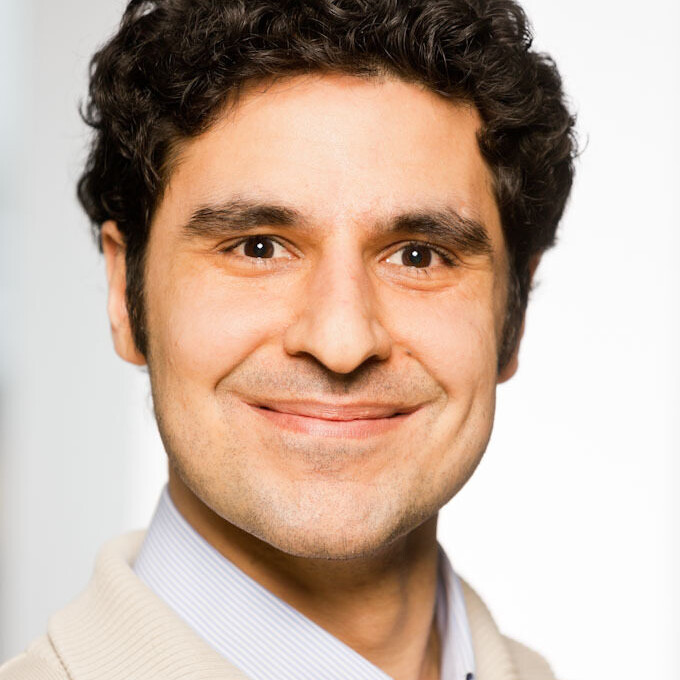
Speaker: Prof. Dr. Jared Sterneckert, Research Group Leader, Center for Regenerative Therapies Dresden (CRTD), TU Dresden
Title: “New insights into axonal vulnerability to ALS using iPS cells”
Date: Tuesday, 30 June 2026
Time: 12:00
Room: CRTF left Auditorium, 01307 Dresden
Host: Research Training Group Biomolecular Condensates (RTG 3120)

Abstract: Motor neurons (MNs) serve as critical conduits between the central nervous system and skeletal muscles. To establish these connections, adult human MNs extend axons that can reach lengths of up to one meter. This extraordinary length necessitates local protein synthesis within axons, facilitated by mRNAs transported from the soma via membraneless condensates known as ribonucleoprotein (RNP) granules. In amyotrophic lateral sclerosis (ALS), characterized by progressive paralysis and eventual death, MNs undergo degeneration with axons being particularly vulnerable. To investigate the molecular mechanisms underlying axonal vulnerability, we utilize MNs derived from induced pluripotent stem (iPS) cells. Our research focuses on the FUS protein, a key component of axonal RNP granules. We have observed that ALS-associated mutations in FUS disrupt the composition of these granules, leading to impaired axonal translation and increased susceptibility to degeneration. Interestingly, while FUS is present in both the soma and axons, it is specifically localized within RNP granules in axons but remains diffuse in MN cell bodies. This differential localization may hold clues to the heightened vulnerability of axons in ALS. We hypothesize that reduced axonal RNA levels play a pivotal role in the formation of axonal RNP granules and may make them vulnerable to alterations in RNP-associated proteins such as FUS. Ongoing experiments aim to test this hypothesis and further elucidate the role of RNA in axonal resilience, potentially uncovering novel therapeutic strategies for ALS.