
B5 - Role of condensates in epigenetics
Role of condensates in epigenetics (B5)
Objective
The goal of of B5 is to understand the physical mechanism behind the maintenance of the epigenetic state of chromatin through multiple cell generations. This is achieved by combining experiments and the-ory to study a well-defined setup which includes chromatin stretching, polymer-assisted conden-sation and enzymatic reactions.
Project Description
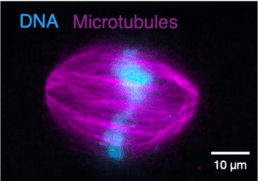
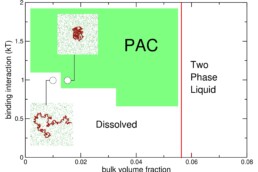
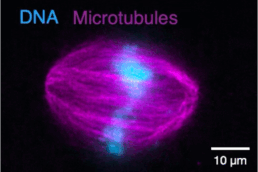
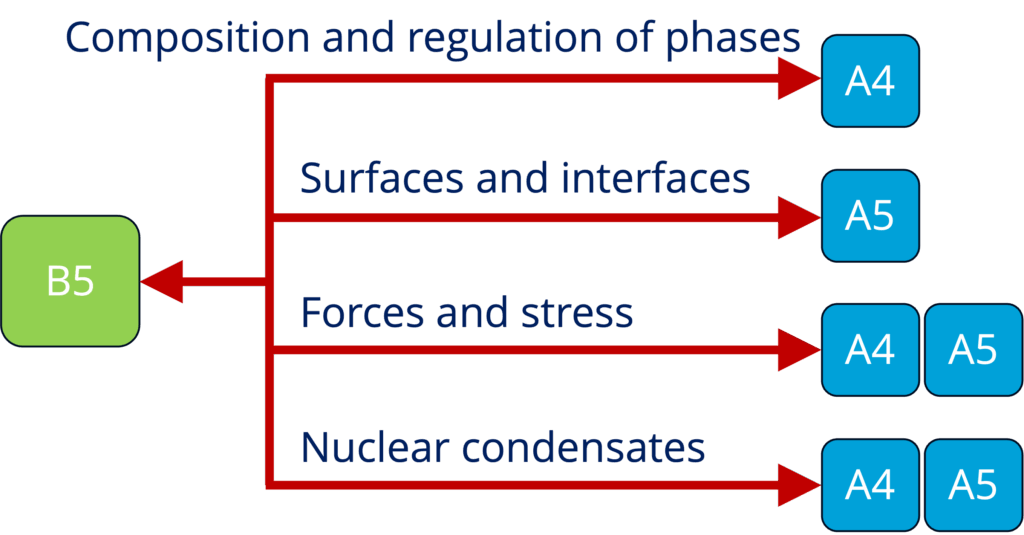
During the duplication of chromosomes, epigenetic information which resided in posttranslational modifications on histone proteins is equally distributed between the two daughter chromosomes. We proposed recently that the missing epigenetic tags can be reconstructed with the help of condensates that are formed from proteins such as HP1. Polymer-assisted condensates are formed around stretches of heterochromatin and serve as liquid reaction containers where enzymes (such as SUV39H1 methylase) add missing tags. The Schiessel group has used their expertise in computer simulations on small model chromosomes to demonstrate that polymer-assisted condensates are capable of maintaining the epigenetic state through 40 generations, thus reaching the Hayflick limit. The Brugués group uses their expertise in single molecule approaches and cell free extracts to test these ideas by using optical tweezers where a full chromosome and single DNA strands can be held in place and stretched in the cytoplasm from Xenopus egg extracts, a system in which replication can be induced. We will quantify the dynamics of the epigenetic state and test whether it can be maintained in the presence of HP1 and SUV39H1 through multiple cell generations. Simulations and theory will study how increasing tension breaks up HP1 droplets, transforming chromosomes into strings of micelles.

Research questions
- Can we visualize experimentally HP1 condensates forming along stretched chromosomes?
- What happens to the number and sizes of HP1 droplets as one increases the tension and how does it depend on the epigenetic sequence written along the string of nucleosomes?
- Can we demonstrate that condensate formation is maintained through several duplications in the presence of enzymatic reactions but suppressed otherwise? Does the disruption of an epigenetic condensate (for example by force) lead to the loss of epigenetic memory?
Thesis Project Topic
- Topic 1 (Schiessel): Geometry and function of co-polymer-assisted micelles (Theory)
- Topic 2 (Brugués): Emergent properties of chromatin (Experimental)
Training
The PhD students in the theory part of the project will be trained in mathematical-analytical methods, various simulation methods and numerical concepts. The PhD students in the experimental part will be trained in quantitative microscopy, optical tweezers, condensate quantification and manipulation, DNA biophysics.
Profile of Prospective Students
- Candidates have a Masters degree in physics or related fields.
- Candidates should have a sound basis in biophysics, computational biology, or closely related fields.
- Experience in computer simulations is expected in Topic 1.
- Experience with in vitro reconstitution systems is a plus in Topic 2.

Supervisors: Helmut Schiessel (left) and Jan Brugués (right)
Theoretical Physics of Living Matter (Schiessel)
Disciplines: Biological Physics & Quantitative Biology
Affiliation: Physics of Life (TU Dresden)
Contact: helmut.schiessel (at) tu-dresden (dot) de
Spatiotemporal Organization of Subcellular Structures (Brugués)
Disciplines: Molecular, Cell & Developmental Biology / Biological Physics & Quantitative Biology
Affiliation: Physics of Life (TU Dresden) | CSBD
Contact: jan.brugues (at) tu-dresden (dot) de
Explore other RTG Thesis Projects

Collaborations within the RTG
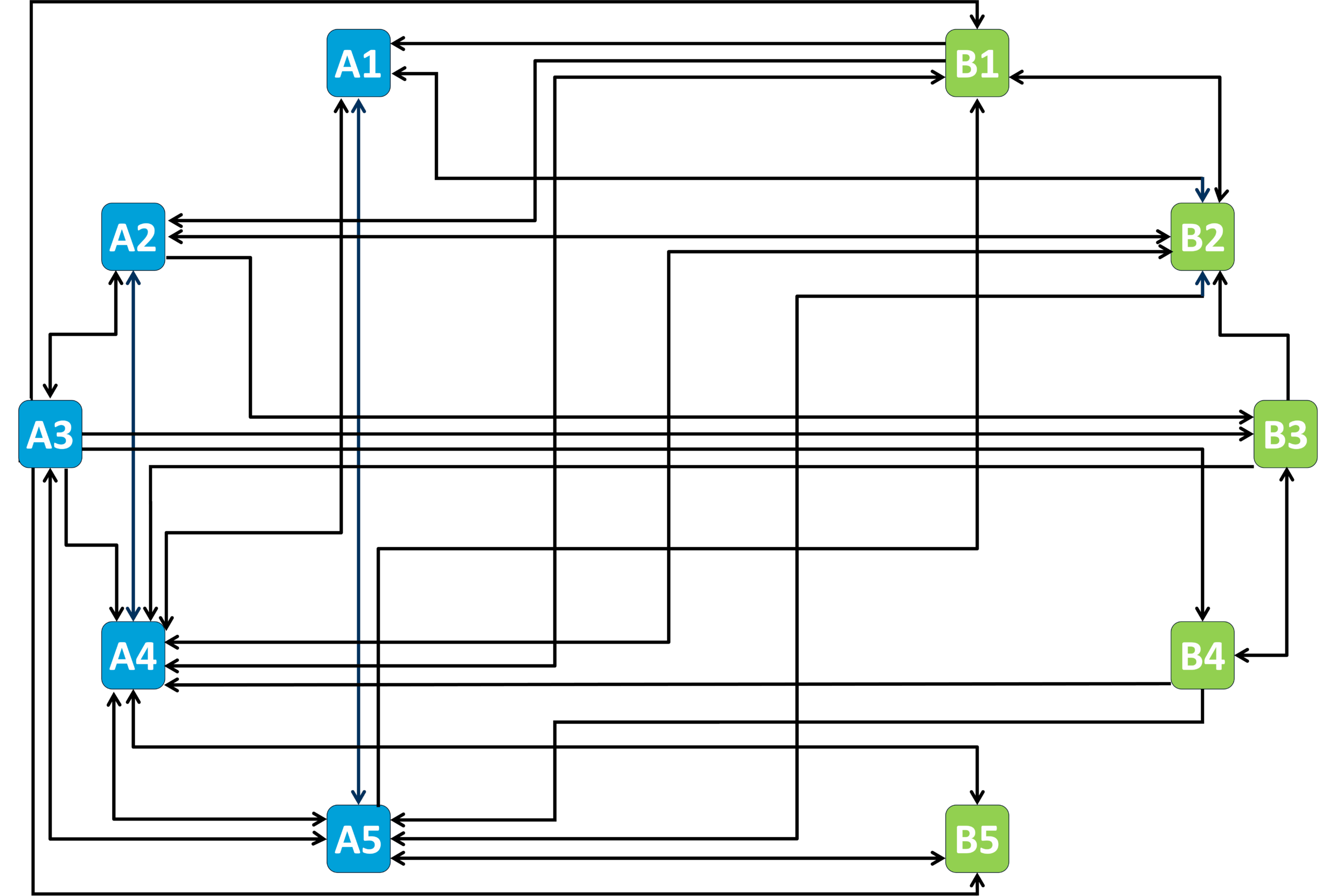
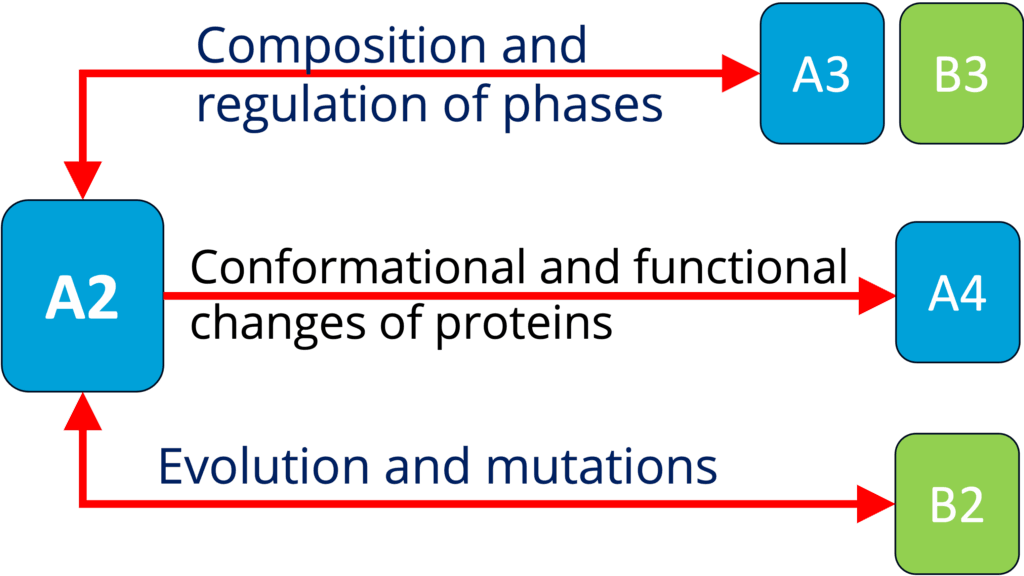
Click on the different project numbers (e.g. A1) to find out more about the theme of their ongoing collaborations and explore the project details
A2 - Biomolecular condensate regulation (Harmon)
See project details: https://dresdencondensates.org/projects/a2/
A4 - Theory and simulation of polymer-assisted condensates (Sommer)
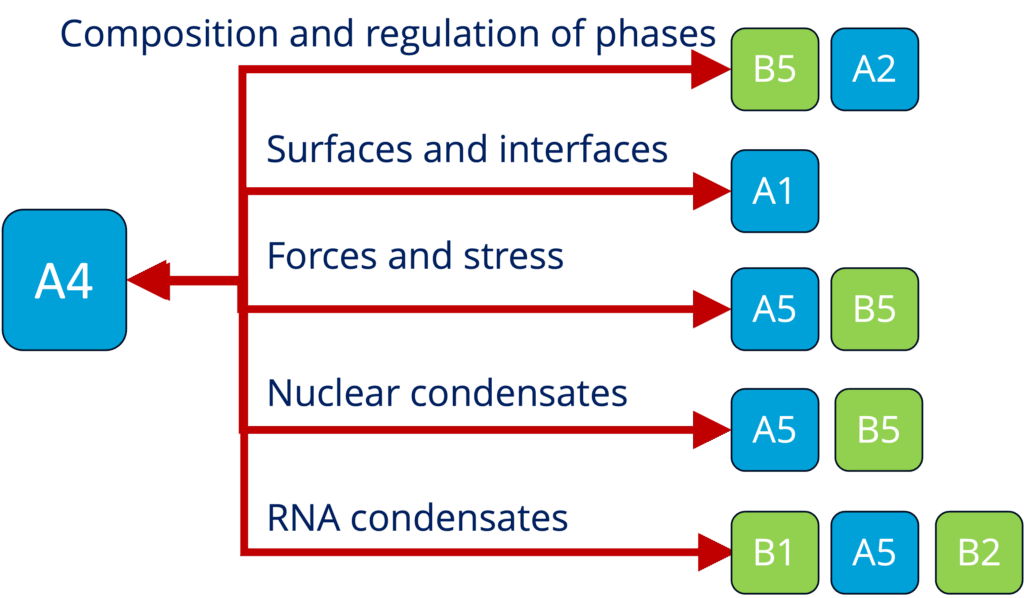
See project details: https://dresdencondensates.org/projects/a4/
B2 - Characterizing the role of RNP granules in ALS (Sterneckert)
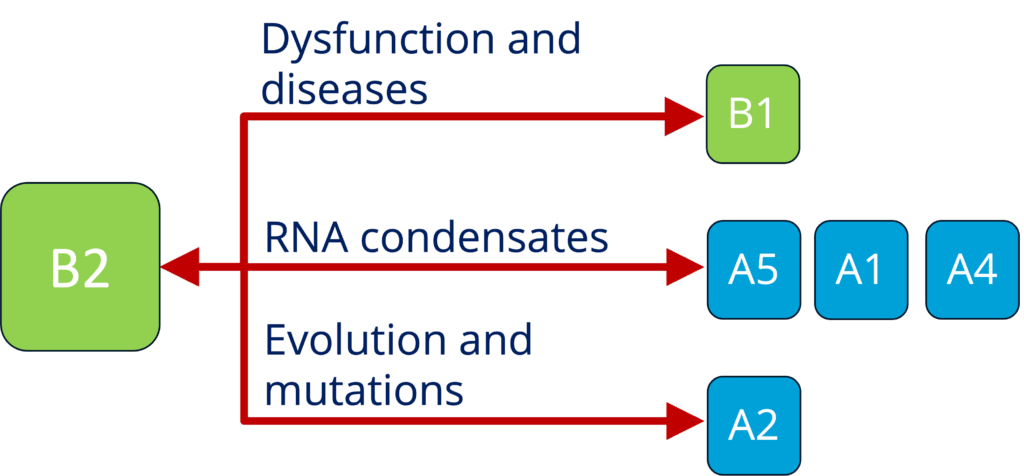
See project details: https://dresdencondensates.org/projects/b2/
A1 - Role of surface condensation for the assembly of cortical proteins (Honigmann)
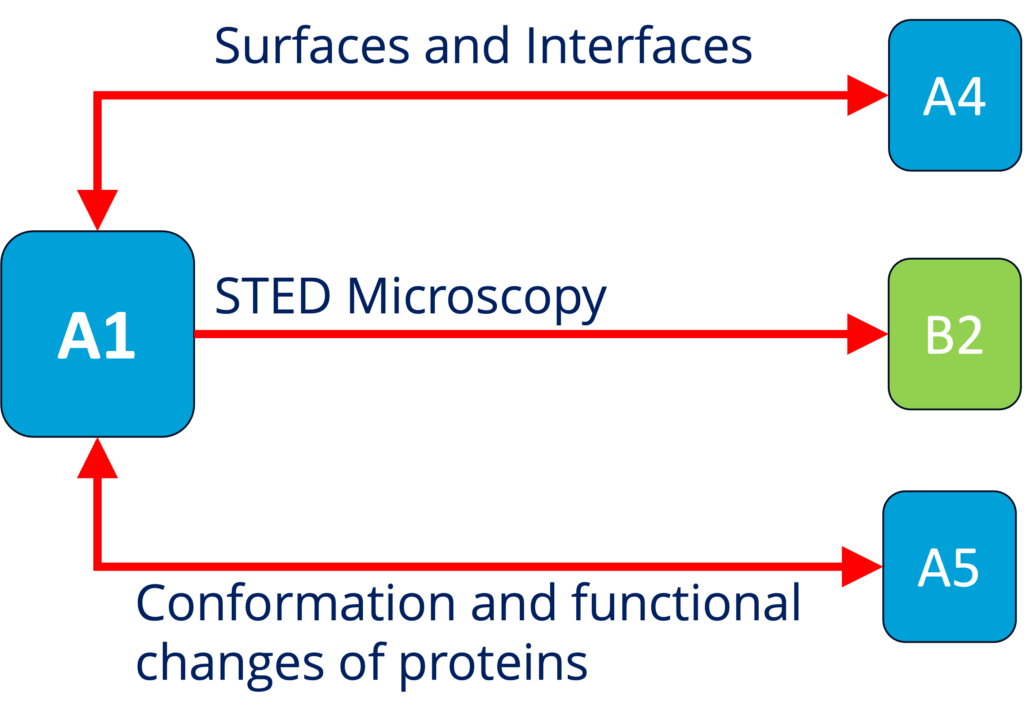
See project details: https://dresdencondensates.org/projects/a1/
A3 - Spectroscopy and local interactions in condensates and organization of the cytoplasm (Adams)
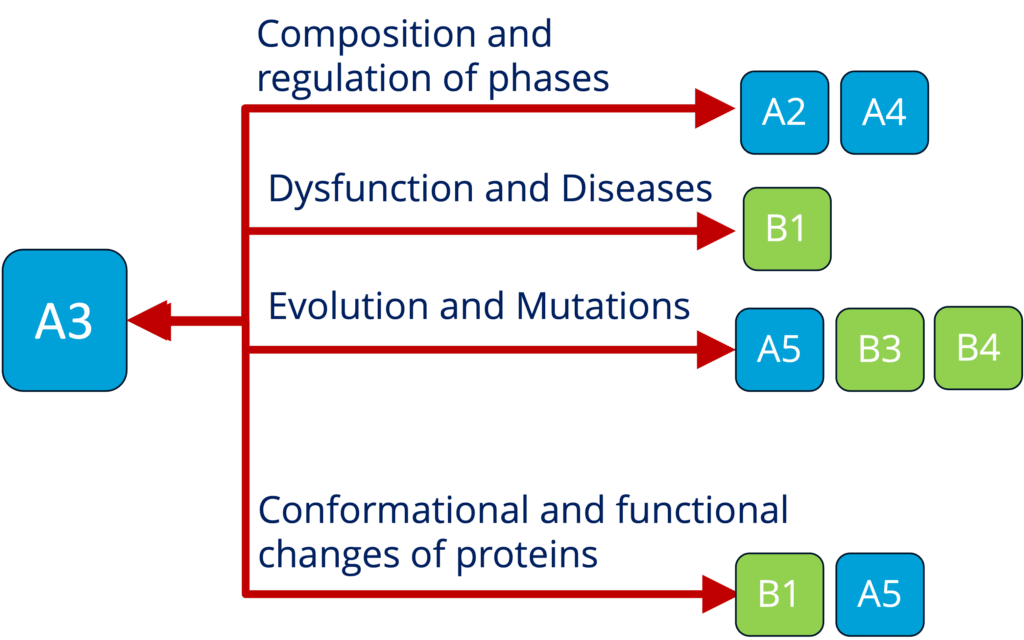
See project details: https://dresdencondensates.org/projects/a3/
A5 - Capillary forces and the force response of condensates (Jahnel and Grill)
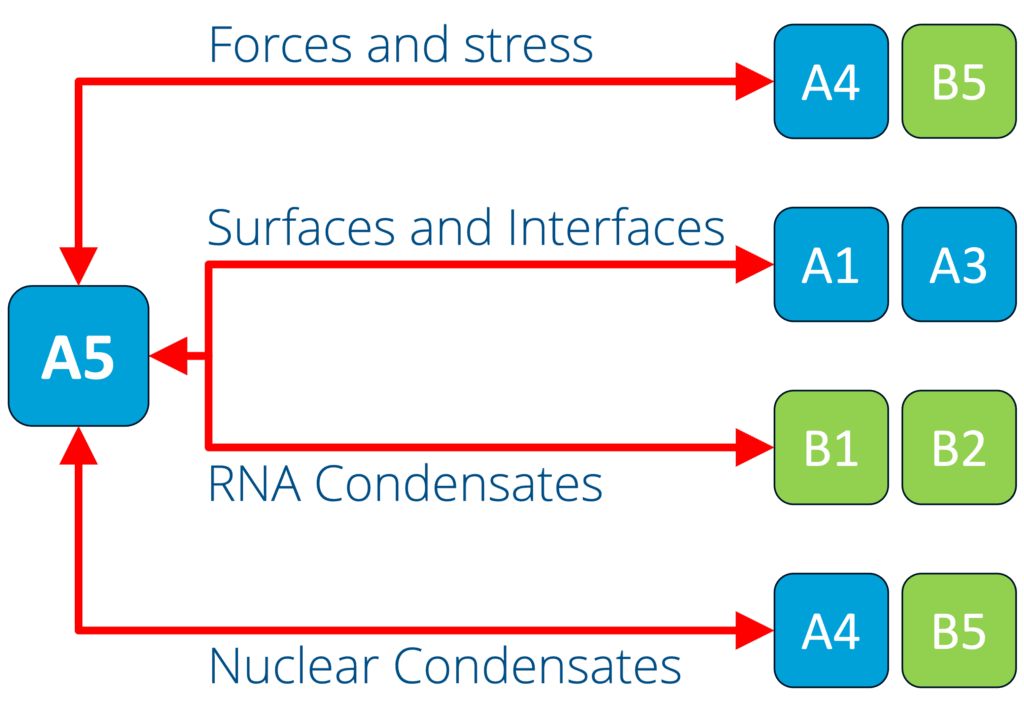
See project details: https://dresdencondensates.org/projects/a5/
B1 - Elucidating the mechanisms underlying mRNA translation regulation by condensation (biophysics and biochemistry) (Alberti and Schlierf)
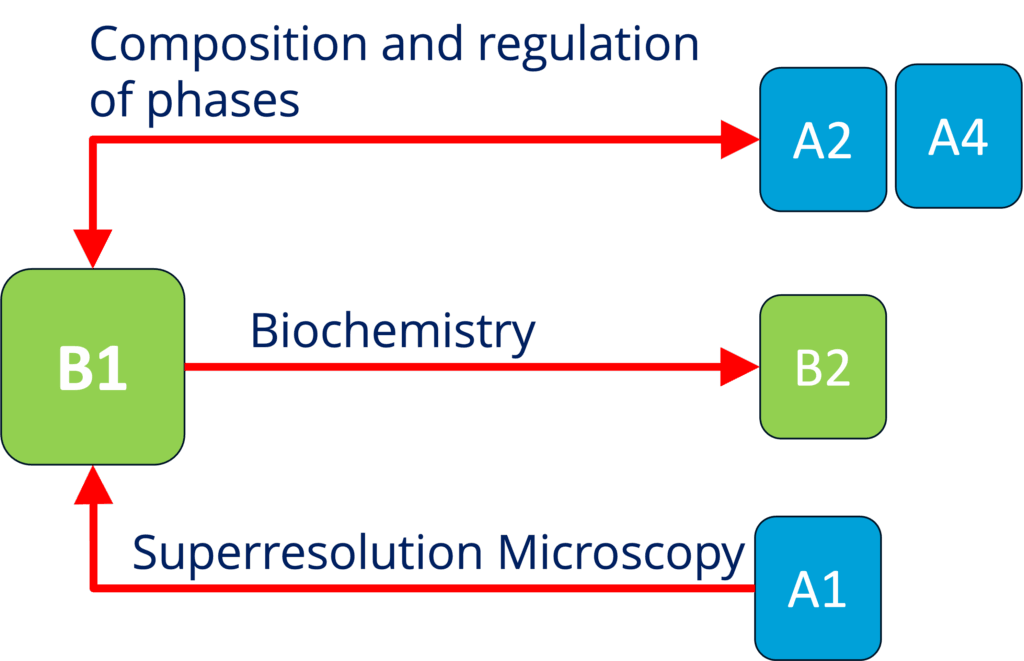
See project details: https://dresdencondensates.org/projects/b1/
B3 - Sequence to function mapping of condensate proteomes (Toth-Petroczy)
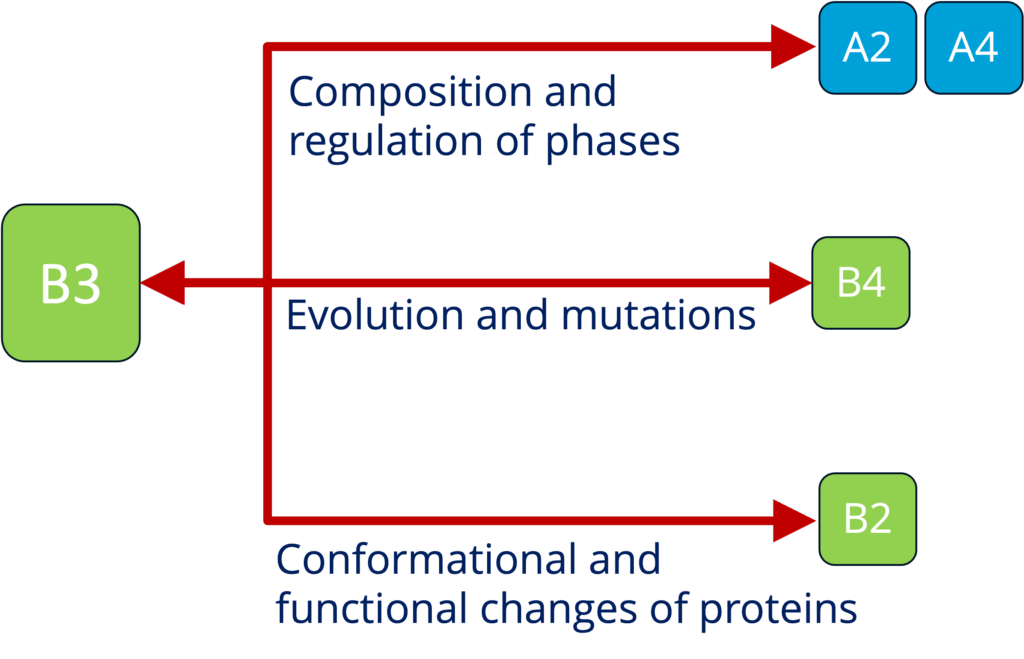
See project details: https://dresdencondensates.org/projects/b3/
B4 - Role of condensates in biological time across mammals (Ebisuya and Hyman)
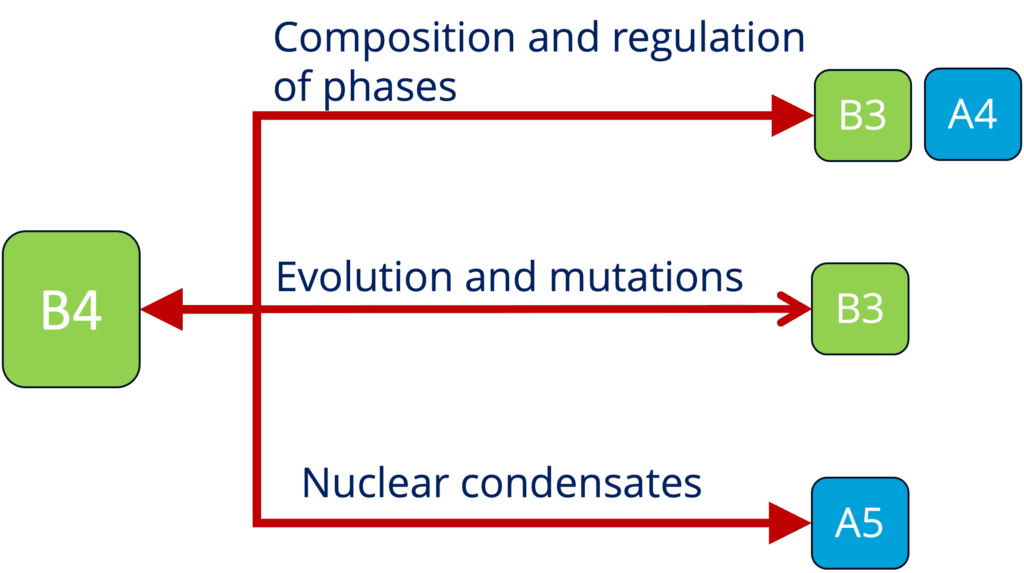
See project details: https://dresdencondensates.org/projects/b4/
B5 - Role of condensates in epigenetics (experiments and theory) (Brugués and Schiessel)
See Project Details: https://dresdencondensates.org/projects/b5/

B4 - Role of condensates in biological time across mammals
Role of condensates in biological time across mammals (B4)
Objective
The goal of of B4 is to characterize the diversity of condensates across animal species and to elucidate how these differences contribute to species-specific kinetics and developmental tempo.
Project Description
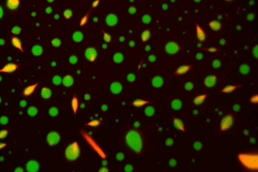
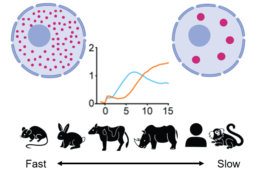
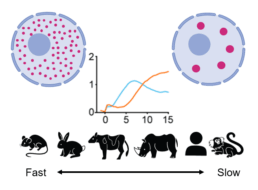
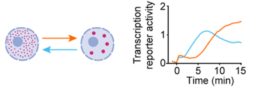
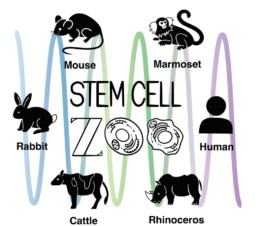
Different animal species exhibit distinct biological tempos. For instance, human gestation takes about 9 months, whereas in mice it lasts only around 20 days. The Ebisuya group investigates these species-specific tempos using the “stem cell zoo,” a collection of mammalian stem cell lines, and has demonstrated that cellular environments differ across species. The Hyman group focuses on the physical properties of biomolecular condensates both in vitro and in cells. In collaboration, the groups recently found that the morphology of several condensates involved in gene expression processes differs between species. A key open question is whether such species-specific condensate properties influence biochemical reaction kinetics and thereby contribute to differences in biological tempo. Project B4 aims to address this fundamental question by systematically measuring the kinetics of condensates and associated cellular processes.
Research questions
- How do the kinetics and morphology of condensates vary across species?
- What are the underlying mechanisms that give rise to these species-specific condensate properties?
- Do such differential condensate properties contribute to species-specific cellular kinetics and biological tempo?
Project Topic
Quantitative characterization of condensates and gene expression kinetics across species
Training
The student will receive training in cell and stem cell biology, advanced imaging and image analysis, as well as biophysical and biochemical approaches.
Profile of Prospective Student Candidates
- Student candidates should hold a Master’s degree in biology, physics, or a related field. Candidates are expected to have hands-on experience with laboratory experiments; prior experience with cell cultures and/or imaging is a plus.

Supervisors: Miki Ebisuya (left) and Anthony Hyman (right)
Cross-Species Comparison and Manipulation of the Organoid Zoo (Ebisuya)
Disciplines: Molecular, Cell & Developmental Biology / Biological Physics & Quantitative Biology
Affiliation: Physics of Life (TU Dresden)
Contact: miki.ebisuya (at) tu-dresden (dot) de
Organization of the Cytoplasm (Hyman)
Disciplines: Cell Biology and Biochemistry
Affiliation: MPI-CBG | CSBD | Physics of Life (TU Dresden)
Contact: hyman (at) mpi-cbg (dot) de
Explore other RTG Thesis Projects
Collaborations within the RTG
Click on the different project numbers (e.g. A1) to find out more about the theme of their ongoing collaborations and explore the project details
A2 - Biomolecular condensate regulation (Harmon)
See project details: https://dresdencondensates.org/projects/a2/
A4 - Theory and simulation of polymer-assisted condensates (Sommer)
See project details: https://dresdencondensates.org/projects/a4/
B2 - Characterizing the role of RNP granules in ALS (Sterneckert)
See project details: https://dresdencondensates.org/projects/b2/
A1 - Role of surface condensation for the assembly of cortical proteins (Honigmann)
See project details: https://dresdencondensates.org/projects/a1/
A3 - Spectroscopy and local interactions in condensates and organization of the cytoplasm (Adams)
See project details: https://dresdencondensates.org/projects/a3/
A5 - Capillary forces and the force response of condensates (Jahnel and Grill)
See project details: https://dresdencondensates.org/projects/a5/
B1 - Elucidating the mechanisms underlying mRNA translation regulation by condensation (biophysics and biochemistry) (Alberti and Schlierf)
See project details: https://dresdencondensates.org/projects/b1/
B3 - Sequence to function mapping of condensate proteomes (Toth-Petroczy)
See project details: https://dresdencondensates.org/projects/b3/
B4 - Role of condensates in biological time across mammals (Ebisuya and Hyman)
See project details: https://dresdencondensates.org/projects/b4/
B5 - Role of condensates in epigenetics (experiments and theory) (Brugués and Schiessel)
See Project Details: https://dresdencondensates.org/projects/b5/
B3 - Sequence to function mapping of condensate proteomes
Sequence to function mapping of condensate proteomes (B3)
Objective
The goal of of B3 is to understand how condensate proteomes and their functions evolve. We aim to decipher which sequence perturbations can lead to gain/loss of condensates and tune specific molecular inter-actions within condensates in evolution and disease.
Project Description
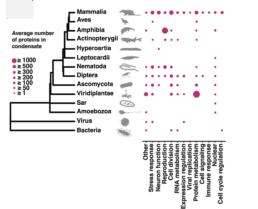
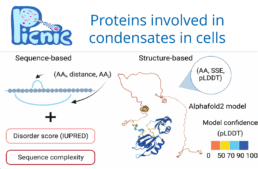
Extensive research on condensates focused on identifying their components, material proper-ties, and function. However, we still lack understanding of the mechanisms that target proteins into condensates and how condensates emerged during evolution. Building on the hypothesis that localization into condensates is encoded in protein sequences, we aim to advance the sequence-function mapping of condensate forming proteins and specifically intrinsically disordered regions (IDRs) that are common in condensates. Here, we will study not only genetic mutations but also phenotypic mutations that occur via transcription and translation errors, which we study in the Toth-Petroczy group. In collaboration with the Hyman group we built a condensate protein database that revealed wide-spread occurrence of condensates across the tree of life. Based on this curated data, we developed a machine learning algorithm to predict condensate proteins in any organism. Further, we have designed a suit of alignment-free algorithms to assess homology between unalignable IDR sequences (SHARK-dive) and developed a method to identify conserved motifs within a set of homologous IDR sequences (SHARK-capture). These tools allow us to address the origin and evolution of condensates and their proteomes, as well as to identify conserved and functional sequence features.
Research questions
- How do condensate proteomes change in evolution?
- How do sequence perturbations impact condensate formation?
Thesis Project Topic
The evolution of condensate proteomes
Training
The PhD students will be trained in data science, coding, machine learning, statistics, and image analysis, mass spectrometry, molecular biology, biochemistry and biophysics techniques in collaborations with experimental groups.
Profile of Prospective Students
- Candidates have a Masters degree in biology, data science, or related fields
- Candidates should have a sound basis in computational or evolutionary biology, or closely related fields.
- Experience in coding and omics data analysis are expected

Supervisor: Agnes Toth-Petroczy
Protein plasticity and evolution
Discipline: Computational Biology
Affiliation: MPI-CBG | CSBD | Physics of Life (TU Dresden)
Contact: tothpet (at) mpi-cbg (dot) de
Explore other RTG Thesis Projects
Collaborations within the RTG
Click on the different project numbers (e.g. A1) to find out more about the theme of their ongoing collaborations and explore the project details
A2 - Biomolecular condensate regulation (Harmon)
See project details: https://dresdencondensates.org/projects/a2/
A4 - Theory and simulation of polymer-assisted condensates (Sommer)
See project details: https://dresdencondensates.org/projects/a4/
B2 - Characterizing the role of RNP granules in ALS (Sterneckert)
See project details: https://dresdencondensates.org/projects/b2/
A1 - Role of surface condensation for the assembly of cortical proteins (Honigmann)
See project details: https://dresdencondensates.org/projects/a1/
A3 - Spectroscopy and local interactions in condensates and organization of the cytoplasm (Adams)
See project details: https://dresdencondensates.org/projects/a3/
A5 - Capillary forces and the force response of condensates (Jahnel and Grill)
See project details: https://dresdencondensates.org/projects/a5/
B1 - Elucidating the mechanisms underlying mRNA translation regulation by condensation (biophysics and biochemistry) (Alberti and Schlierf)
See project details: https://dresdencondensates.org/projects/b1/
B3 - Sequence to function mapping of condensate proteomes (Toth-Petroczy)
See project details: https://dresdencondensates.org/projects/b3/
B4 - Role of condensates in biological time across mammals (Ebisuya and Hyman)
See project details: https://dresdencondensates.org/projects/b4/
B5 - Role of condensates in epigenetics (experiments and theory) (Brugués and Schiessel)
See Project Details: https://dresdencondensates.org/projects/b5/
B2 - Characterizing the role of RNP granules in ALS
Characterizing the role of RNP granules in ALS (B2)
Objective
The goal of B2 is to understand the role of RNP granules in the pathogenesis of amyotrophic lateral sclerosis (ALS).
Project Description
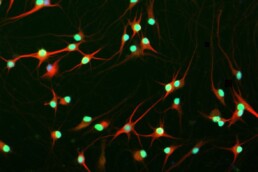
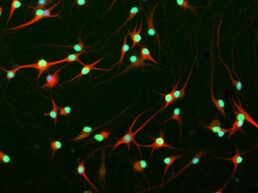
Motor neurons (MNs) have very long axons that require local translation of mRNAs transported from the soma via ribonucleoprotein (RNP) granules. RNP granules are condensates that protect mRNA from degradation in a translationally arrested state1. There are many different types of RNP granules found in MN axons, and MNs are able to disassemble individual granules at specific times and locations in order to support specialized functions such as metabolism or injury repair1. Highlighting the importance of this process, alterations in RNP granules have been linked to ALS pathogenesis and MN degeneration2,3. Thus, a better understanding of RNP granules could lead to novel therapeutics to protect MN axons against degeneration in ALS. To reach this objective, the Sterneckert team uses induced pluripotent stem cell (iPSC)-derived MNs4-6 to investigate RNP granule dynamics in a physiological model. In collaboration with the Hyman and Alberti teams, we generated FUS-eGFP reporter iPSCs for live-cell imaging of RNP granules, facilitating compound screening to identify novel drugs for repurposing as ALS therapeutics4. We also generated a microfluidic device enabling the study of axonal RNP granules as well as the functionality of neuromuscular junctions6. Using this technology, we uncovered evidence that mutant FUS disrupts axonal RNP granules, leading to reduced translation of nuclear proteins required for axonal mitochondrial function (see figure). Here, we will use these technologies to answer fundamental questions about RNP granules in MNs and how this is impacted by ALS pathogenesis.

Research questions
Project 1:
- How are multiple different RNP granules with individualized mRNA cargo maintained in MN axons?
- How much exchange of RNA-binding proteins occurs between different RNP granules within axons?
- How do RNP granules regulate their size and prevent fusion in order to maintain separation of mRNAs?
Project 2:
- How does ALS pathogenesis impact RNP granule maintenance and composition?
To answer these research questions, both projects will utilize dCas13d-mediated proximity labeling to identify the proteins binding specific axonal mRNAs. Pulse-chase experiments can be used to assess if proteins in RNP granules are exchanged over time. Project 2 will compare motor neurons derived from isogenic iPSCs to characterize the impact of ALS mutations. In addition, we will explore if specific oligonucleotides (“bait RNAs”) could offer an effective strategy for reversing ALS pathogenesis.
Thesis Project Topic
Understanding how human motor neuron axons maintain diverse RNP granule subtypes
Training
The PhD students will be trained in iPSC culture, MN differentiation, confocal microscopy, live cell imaging, and image analysis. Collaborations with groups using alternative model systems, including theoretical groups, will further the acquisition of communication skills and interdisciplinary thinking.
Profile of Prospective Students
- Candidates have a Masters degree in biology or related fields
- Candidates should have a sound basis in cell biology, neurology or closely related fields.
- Experience in microscopy and cell culture are expected

Supervisor: Jared Sterneckert
iPS Cells and Neurodegenerative Diseases
Discipline: Biology / Neurodegenerative Diseases
Affiliation: Center for Regenerative Therapies Dresden (CRTD – TU Dresden)
Contact: jared.sterneckert (at) tu-dresden (dot) de
References
- Dalla Costa, I., Buchanan, C. N., Zdradzinski, M. D., Sahoo, P. K., Smith, T. P., Thames, E., Kar, A. N. & Twiss, J. L. The functional organization of axonal mRNA transport and translation. Nat Rev Neurosci 22, 77-91 (2021). DOI: 10.1038/s41583-020-00407-7
- Li, Y. R., King, O. D., Shorter, J. & Gitler, A. D. Stress granules as crucibles of ALS pathogenesis. Journal of Cell Biology 201, 361-372 (2013). DOI: 10.1083/jcb.201302044
- Altman, T., Ionescu, A., Ibraheem, A., Priesmann, D., Gradus-Pery, T., Farberov, L., Alexandra, G., Shelestovich, N., Dafinca, R., Shomron, N., Rage, F., Talbot, K., Ward, M. E., Dori, A., Kruger, M. & Perlson, E. Axonal TDP-43 condensates drive neuromuscular junction disruption through inhibition of local synthesis of nuclear encoded mitochondrial proteins. Nat Commun 12, 6914 (2021). DOI: 10.1038/s41467-021-27221-8
- Marrone, L., Poser, I., Casci, I., Japtok, J., Reinhardt, P., Janosch, A., Andree, C., Lee, H. O., Moebius, C., Koerner, E., Reinhardt, L., Cicardi, M. E., Hackmann, K., Klink, B., Poletti, A., Alberti, S., Bickle, M., Hermann, A., Pandey, U. B., Hyman, A. A. & Sterneckert, J. L. Isogenic FUS-eGFP iPSC Reporter Lines Enable Quantification of FUS Stress Granule Pathology that Is Rescued by Drugs Inducing Autophagy. Stem Cell Reports 10, 375-389 (2018). DOI: 10.1016/j.stemcr.2017.12.018
- Marrone, L., Drexler, H. C. A., Wang, J., Tripathi, P., Distler, T., Heisterkamp, P., Anderson, E. N., Kour, S., Moraiti, A., Maharana, S., Bhatnagar, R., Belgard, T. G., Tripathy, V., Kalmbach, N., Hosseinzadeh, Z., Crippa, V., Abo-Rady, M., Wegner, F., Poletti, A., Troost, D., Aronica, E., Busskamp, V., Weis, J., Pandey, U. B., Hyman, A. A., Alberti, S., Goswami, A. & Sterneckert, J. FUS pathology in ALS is linked to alterations in multiple ALS-associated proteins and rescued by drugs stimulating autophagy. Acta Neuropathol 138, 67-84 (2019). DOI: 10.1007/s00401-019-01998-x
- Bellmann, Sterneckert et al. A customizable microfluidic platform for medium-throughput modeling of neuromuscular circuits. Biomaterials 225, 119537 (2019). DOI: 10.1016/j.biomaterials.2019.119537
Explore other RTG Thesis Projects
Collaborations within the RTG
Click on the different project numbers (e.g. A1) to find out more about the theme of their ongoing collaborations and explore the project details
A2 - Biomolecular condensate regulation (Harmon)
See project details: https://dresdencondensates.org/projects/a2/
A4 - Theory and simulation of polymer-assisted condensates (Sommer)
See project details: https://dresdencondensates.org/projects/a4/
B2 - Characterizing the role of RNP granules in ALS (Sterneckert)
See project details: https://dresdencondensates.org/projects/b2/
A1 - Role of surface condensation for the assembly of cortical proteins (Honigmann)
See project details: https://dresdencondensates.org/projects/a1/
A3 - Spectroscopy and local interactions in condensates and organization of the cytoplasm (Adams)
See project details: https://dresdencondensates.org/projects/a3/
A5 - Capillary forces and the force response of condensates (Jahnel and Grill)
See project details: https://dresdencondensates.org/projects/a5/
B1 - Elucidating the mechanisms underlying mRNA translation regulation by condensation (biophysics and biochemistry) (Alberti and Schlierf)
See project details: https://dresdencondensates.org/projects/b1/
B3 - Sequence to function mapping of condensate proteomes (Toth-Petroczy)
See project details: https://dresdencondensates.org/projects/b3/
B4 - Role of condensates in biological time across mammals (Ebisuya and Hyman)
See project details: https://dresdencondensates.org/projects/b4/
B5 - Role of condensates in epigenetics (experiments and theory) (Brugués and Schiessel)
See Project Details: https://dresdencondensates.org/projects/b5/
B1 - Elucidating the mechanisms underlying mRNA translation regulation by condensation
Elucidating the mechanisms underlying mRNA translation regulation by condensation (B1)
Objective
The goal of of B1 is to characterize the molecular interaction landscape of immobile and mobile (translationally silenced and competent) nature of RNA molecules inside RNP granules to provide a mechanistic understanding of regulation in condensates and disease phenotypes
Project Description
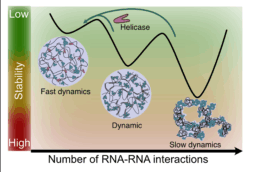
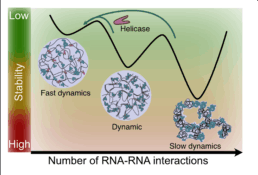
RNP granules, such as neuronal transport granules (NTGs) or stress-induced RNP granules (SGs), are condensates that play key roles in translation regulation. Their aberrant state is as-sociated with neurodegeneration and cancer. RNP granule assembly and the underlying regula-tory mechanisms are not understood. Our preliminary data show that the RNA-binding protein Ras GTPase-activating protein-binding protein 1 (G3BP1) interacts with unfolded RNA molecules to assemble RNP granules. RNA accumulation in granules leads to RNA-RNA interactions, inhibiting RNA mobility and translatability. The DEAD-box RNA helicase (DDX3X) localizes to RNP granules to attenuate RNA-RNA interactions, rendering the condensates dynamic and ena-bling mRNA translation. DDX3X disease variants cannot resolve RNA-RNA interactions causing RNA granule persistence. We suggest that RNP granules mediate inhibitory RNA-RNA interactions, which must be modulated by RNA helicases to regulate RNA availability and translatability.

Research questions
- How do RNP granules regulate RNA availability and translatability in physiology and disease?
- How do RNA helicases regulate RNA structure, dynamics, and organization within RNP granules?
Thesis Project Topic
Topic 1: RNA structures and dynamics in multi-component biomolecular condensates (Schlierf)
Topic 2: Revealing the functional role of RNA-protein condensates in regulating RNA availability (Alberti)
Training
The PhD students will be trained in smFRET and FCS and analysis, advanced imaging and analysis, protein biochemistry and RNP-like granule reconstitution.
Profile of Prospective Students
- Candidates have a Masters degree in physics, biology or related fields
- Candidates should have a sound basis in biochemistry, biophysics, enzymology, quantitative biology, or closely related fields.
- Experience in microscopy, in vitro reconstitution, and protein isolation methods are expected

Supervisors: Simon Alberti (left) and Michael Schlierf (right)
Organization of cytoplasm across space and time (Alberti)
Discipline: Biology
Affiliation: Biotec (TU-Dresden) | Physics of Life (TU Dresden)
Contact: Simon.Alberti (at) tu-dresden (dot) de
Conformational Dynamics in Biomolecules (Schlierf)
Discipline: Biophysics
Affiliation: B CUBE (TU Dresden) | Physics of Life (TU Dresden)
Contact: michael.schlierf (at) tu-dresden (dot) de
Explore other RTG Thesis Projects
Collaborations within the RTG
Click on the different project numbers (e.g. A1) to find out more about the theme of their ongoing collaborations and explore the project details
A2 - Biomolecular condensate regulation (Harmon)
See project details: https://dresdencondensates.org/projects/a2/
A4 - Theory and simulation of polymer-assisted condensates (Sommer)
See project details: https://dresdencondensates.org/projects/a4/
B2 - Characterizing the role of RNP granules in ALS (Sterneckert)
See project details: https://dresdencondensates.org/projects/b2/
A1 - Role of surface condensation for the assembly of cortical proteins (Honigmann)
See project details: https://dresdencondensates.org/projects/a1/
A3 - Spectroscopy and local interactions in condensates and organization of the cytoplasm (Adams)
See project details: https://dresdencondensates.org/projects/a3/
A5 - Capillary forces and the force response of condensates (Jahnel and Grill)
See project details: https://dresdencondensates.org/projects/a5/
B1 - Elucidating the mechanisms underlying mRNA translation regulation by condensation (biophysics and biochemistry) (Alberti and Schlierf)
See project details: https://dresdencondensates.org/projects/b1/
B3 - Sequence to function mapping of condensate proteomes (Toth-Petroczy)
See project details: https://dresdencondensates.org/projects/b3/
B4 - Role of condensates in biological time across mammals (Ebisuya and Hyman)
See project details: https://dresdencondensates.org/projects/b4/
B5 - Role of condensates in epigenetics (experiments and theory) (Brugués and Schiessel)
See Project Details: https://dresdencondensates.org/projects/b5/

Projects
Thesis Projects
The thesis projects in RTG 3120 are at the heart of the training and research framework. Once, you have found an interesting project, learn how to apply to our program by visiting the Join Us page.
Thesis projects will be organized in two project areas:
Project area A: Physics of biomolecular condensates
The focus of project area A is on the role of large biopolymers, in particular DNA and RNA, and surfaces in the formation and properties of condensates, the regulation of condensates, the exploration of local interactions in particular the role of the water, as well as the response of condensates with respect to external forces.
Project area B: Biomolecular condensates and biological functions and diseases
The focus of project area B is on the relation between condensates, dysfunction and diseases in particular regarding RNA-condensates, the role of mutations in condensate-forming proteins, under-standing the evolution of condensates and their variation across species, and their role in epigenetics.
| No. | Project name | Main Supervisor(s) | Co-Supervisor(s) | Discipline |
|---|---|---|---|---|
| A1 | Role of surface condensation for the assembly of cortical proteins | O. A. Honigmann | H. Schiessel | Biophysics |
| A2 | Regulation of phase separated droplets | T. Harmon | A. A. Hyman | Theoretical physics |
| A3 | Spectroscopy and local interactions in condensates and organization of the cytoplasm | E. Adams | J. Brugués | Physical Chemistry |
| A4 | Theory and simulation of polymer-assisted condensates | J.-U. Sommer | S. Alberti | Theoretical physics |
| A5 | Capillary forces and the force response of condensates | M. Jahnel and S. Grill | M. Ebisuya and M. Schlierf | Biophysics |
| B1 | Elucidating the mechanisms underlying mRNA translation regulation by condensation | S. Alberti and M. Schlierf | M. Jahnel and S. Grill | Biology/Biophysics |
| B2 | Characterizing the role of RNP granules in ALS | J. Sterneckert | O. A. Honigmann | Biology |
| B3 | Sequence to function mapping of condensate proteomes | A. Toth-Petroczy | J.-U. Sommer | Computational Biology |
| B4 | Role of condensates in biological time across mammals | M. Ebisuya and A. A. Hyman | E. Adams and J. Sterneckert | Biology/Biochemistry |
| B5 | Role of condensates in epigenetics (experiments and theory) | J. Brugués and H. Schiessel | A. Toth-Petroczy and T. Harmon | Biophysics |
Collaborations within the RTG
Click on the different project numbers (e.g. A1) to find out more about the theme of their ongoing collaborations and explore the project details
A2 - Biomolecular condensate regulation (Harmon)
See project details: https://dresdencondensates.org/projects/a2/
A4 - Theory and simulation of polymer-assisted condensates (Sommer)
See project details: https://dresdencondensates.org/projects/a4/
B2 - Characterizing the role of RNP granules in ALS (Sterneckert)
See project details: https://dresdencondensates.org/projects/b2/
A1 - Role of surface condensation for the assembly of cortical proteins (Honigmann)
See project details: https://dresdencondensates.org/projects/a1/
A3 - Spectroscopy and local interactions in condensates and organization of the cytoplasm (Adams)
See project details: https://dresdencondensates.org/projects/a3/
A5 - Capillary forces and the force response of condensates (Jahnel and Grill)
See project details: https://dresdencondensates.org/projects/a5/
B1 - Elucidating the mechanisms underlying mRNA translation regulation by condensation (biophysics and biochemistry) (Alberti and Schlierf)
See project details: https://dresdencondensates.org/projects/b1/
B3 - Sequence to function mapping of condensate proteomes (Toth-Petroczy)
See project details: https://dresdencondensates.org/projects/b3/
B4 - Role of condensates in biological time across mammals (Ebisuya and Hyman)
See project details: https://dresdencondensates.org/projects/b4/
B5 - Role of condensates in epigenetics (experiments and theory) (Brugués and Schiessel)
See Project Details: https://dresdencondensates.org/projects/b5/