
B4 - Role of condensates in biological time across mammals
Role of condensates in biological time across mammals (B4)
Objective
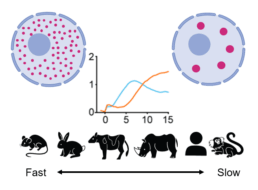
The goal of of B4 is to characterize the diversity of condensates across animal species and to elucidate how these differences contribute to species-specific kinetics and developmental tempo.
Project Description
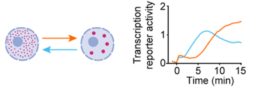
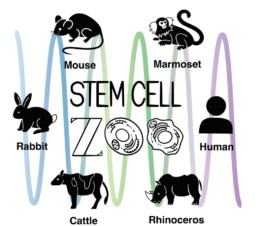
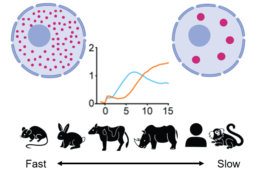
Different animal species exhibit distinct biological tempos. For instance, human gestation takes about 9 months, whereas in mice it lasts only around 20 days. The Ebisuya group investigates these species-specific tempos using the “stem cell zoo,” a collection of mammalian stem cell lines, and has demonstrated that cellular environments differ across species. The Hyman group focuses on the physical properties of biomolecular condensates both in vitro and in cells. In collaboration, the groups recently found that the morphology of several condensates involved in gene expression processes differs between species. A key open question is whether such species-specific condensate properties influence biochemical reaction kinetics and thereby contribute to differences in biological tempo. Project B4 aims to address this fundamental question by systematically measuring the kinetics of condensates and associated cellular processes.
Research questions
- How do the kinetics and morphology of condensates vary across species?
- What are the underlying mechanisms that give rise to these species-specific condensate properties?
- Do such differential condensate properties contribute to species-specific cellular kinetics and biological tempo?
Project Topic
Quantitative characterization of condensates and gene expression kinetics across species
Training
The student will receive training in cell and stem cell biology, advanced imaging and image analysis, as well as biophysical and biochemical approaches.
Profile of Prospective Student Candidates
- Student candidates should hold a Master’s degree in biology, physics, or a related field. Candidates are expected to have hands-on experience with laboratory experiments; prior experience with cell cultures and/or imaging is a plus.

Supervisors: Miki Ebisuya (left) and Anthony Hyman (right)
Cross-Species Comparison and Manipulation of the Organoid Zoo (Ebisuya)
Disciplines: Molecular, Cell & Developmental Biology / Biological Physics & Quantitative Biology
Affiliation: Physics of Life (TU Dresden)
Contact: miki.ebisuya (at) tu-dresden (dot) de
Organization of the Cytoplasm (Hyman)
Disciplines: Cell Biology and Biochemistry
Affiliation: MPI-CBG | CSBD | Physics of Life (TU Dresden)
Contact: hyman (at) mpi-cbg (dot) de
Explore other RTG Thesis Projects

Collaborations within the RTG
Click on the different project numbers (e.g. A1) to find out more about the theme of their ongoing collaborations and explore the project details
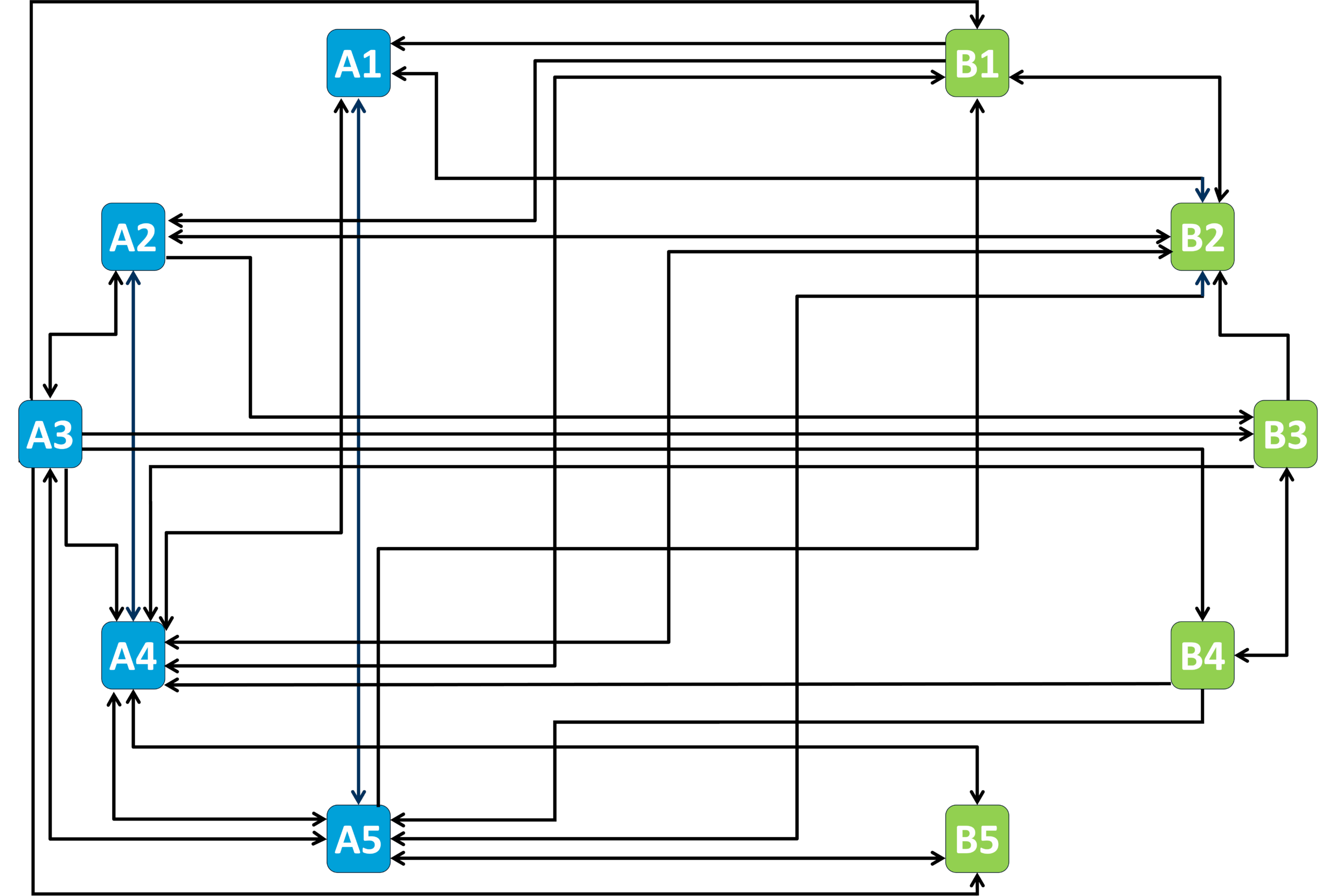
A2 - Biomolecular condensate regulation (Harmon)
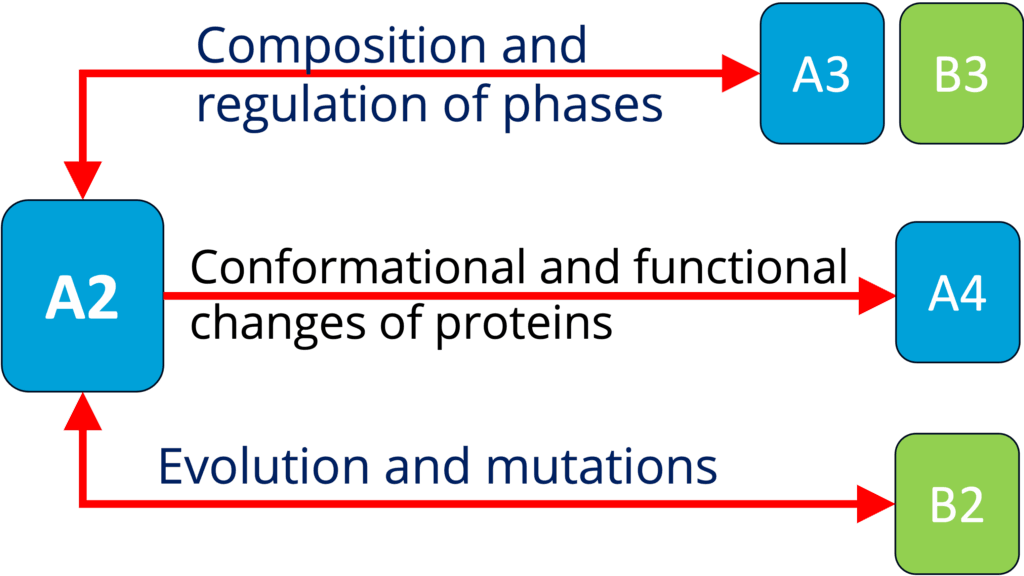
See project details: https://dresdencondensates.org/projects/a2/
A4 - Theory and simulation of polymer-assisted condensates (Sommer)
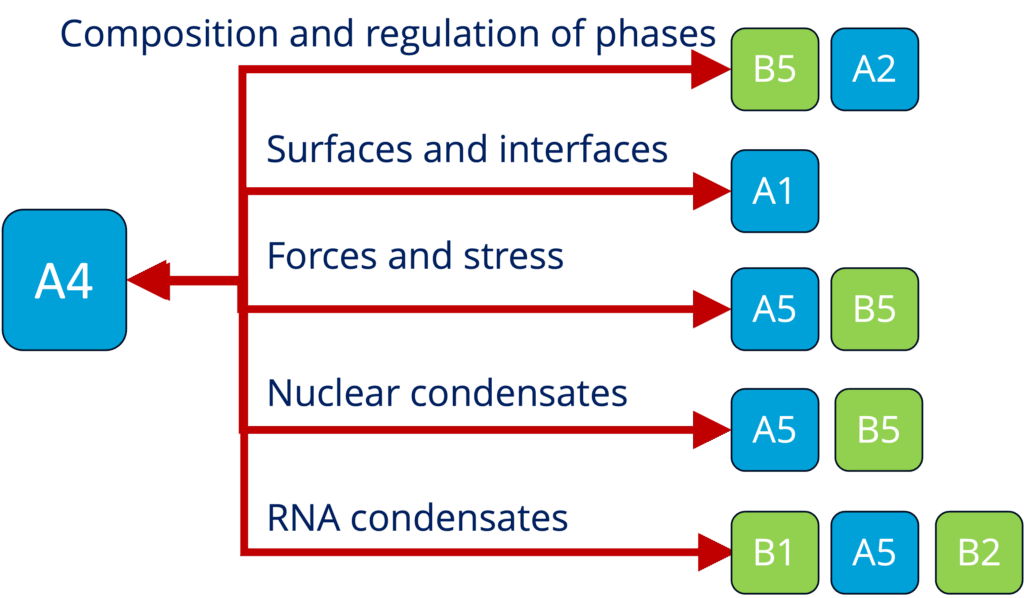
See project details: https://dresdencondensates.org/projects/a4/
B2 - Characterizing the role of RNP granules in ALS (Sterneckert)
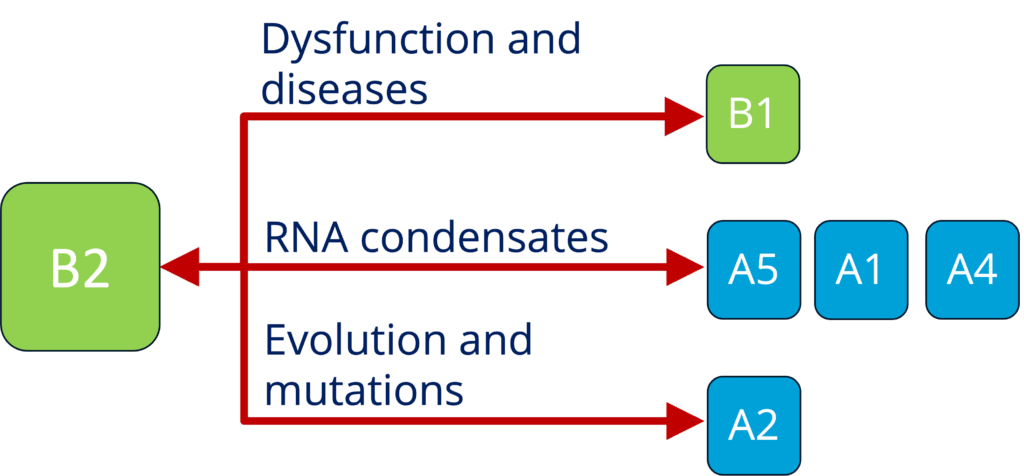
See project details: https://dresdencondensates.org/projects/b2/
A1 - Role of surface condensation for the assembly of cortical proteins (Honigmann)
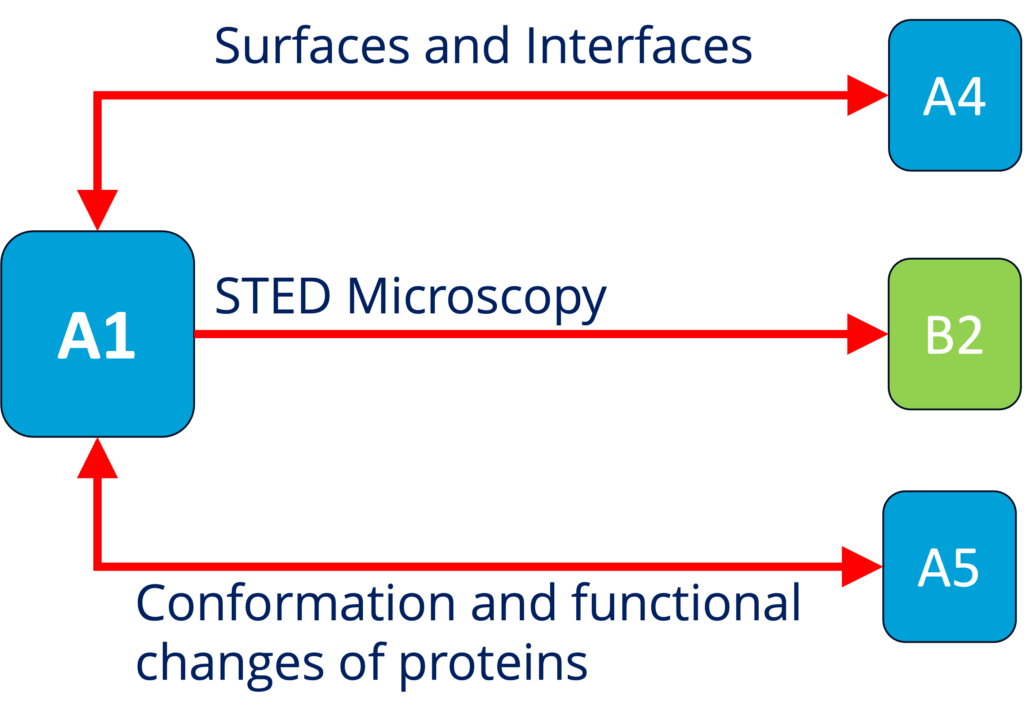
See project details: https://dresdencondensates.org/projects/a1/
A3 - Spectroscopy and local interactions in condensates and organization of the cytoplasm (Adams)
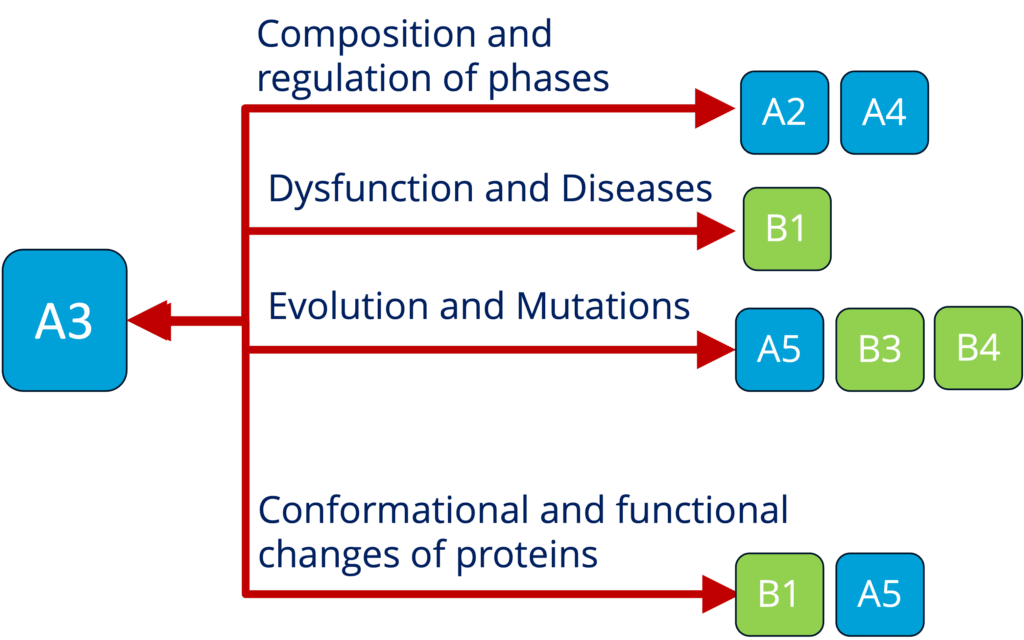
See project details: https://dresdencondensates.org/projects/a3/
A5 - Capillary forces and the force response of condensates (Jahnel and Grill)
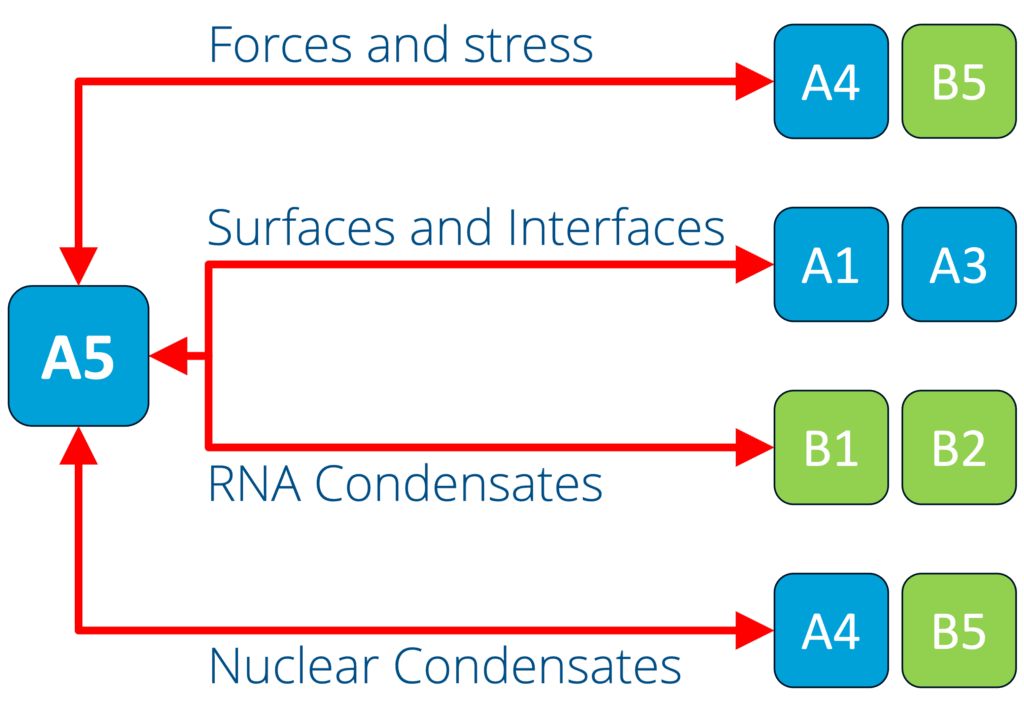
See project details: https://dresdencondensates.org/projects/a5/
B1 - Elucidating the mechanisms underlying mRNA translation regulation by condensation (biophysics and biochemistry) (Alberti and Schlierf)
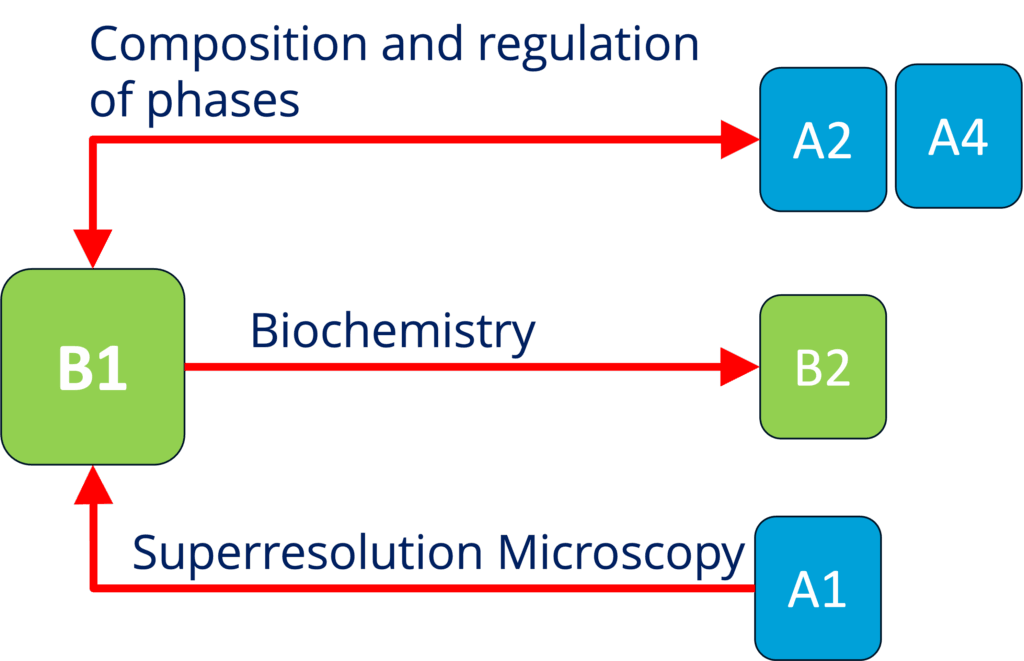
See project details: https://dresdencondensates.org/projects/b1/
B3 - Sequence to function mapping of condensate proteomes (Toth-Petroczy)
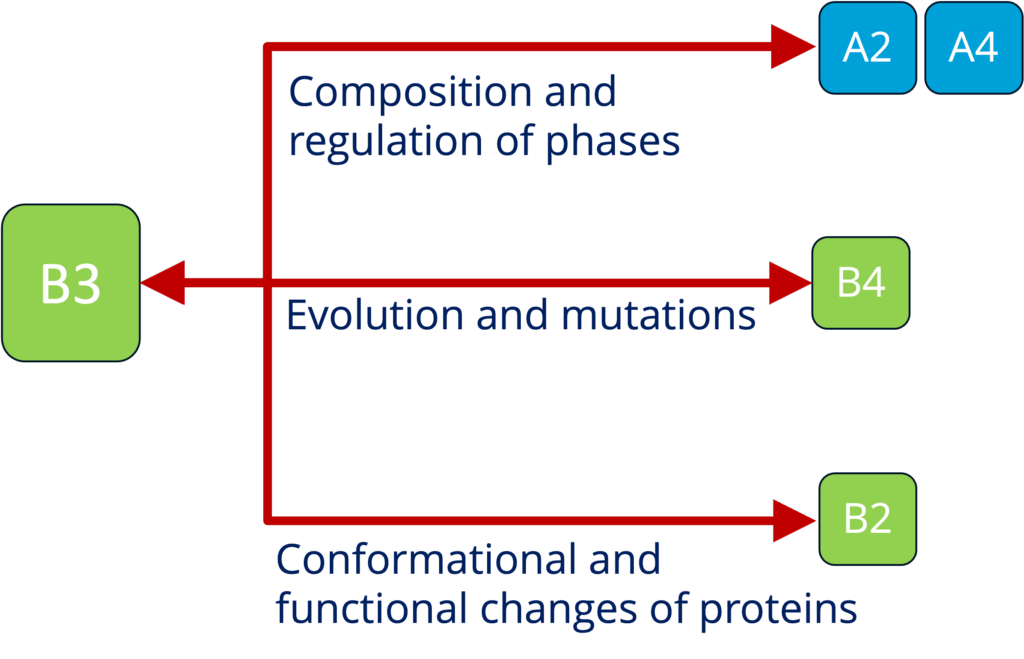
See project details: https://dresdencondensates.org/projects/b3/
B4 - Role of condensates in biological time across mammals (Ebisuya and Hyman)
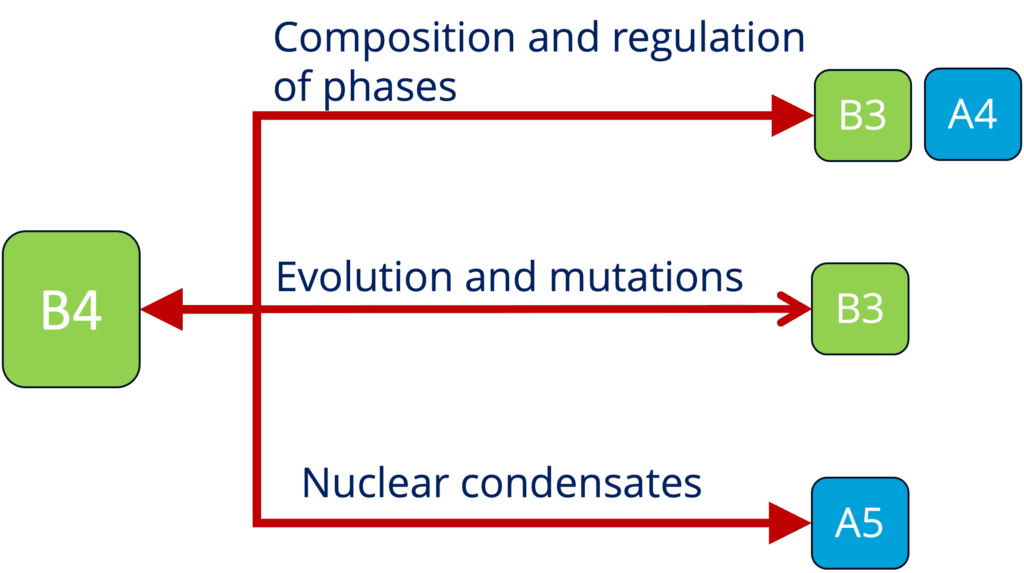
See project details: https://dresdencondensates.org/projects/b4/
B5 - Role of condensates in epigenetics (experiments and theory) (Brugués and Schiessel)
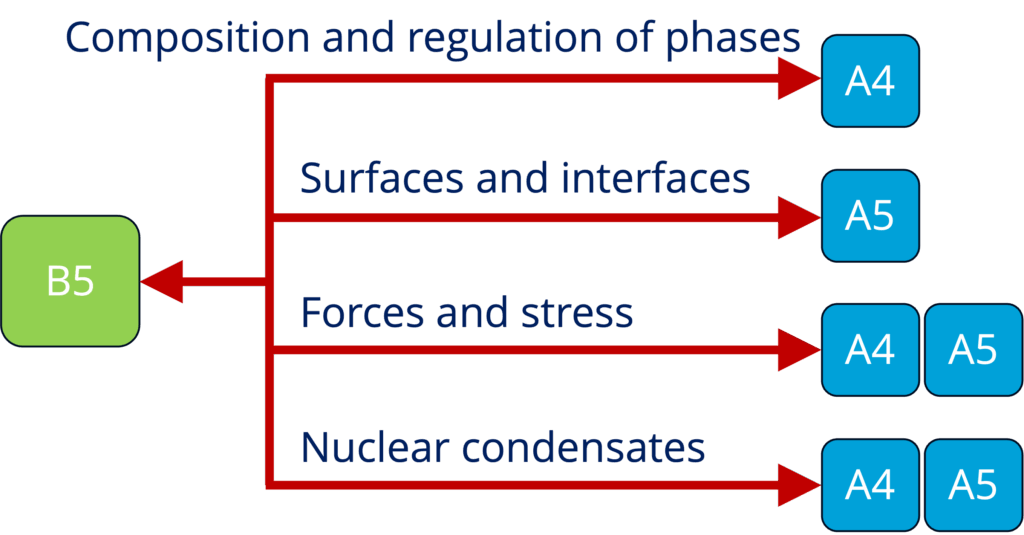
See Project Details: https://dresdencondensates.org/projects/b5/

B1 - Elucidating the mechanisms underlying mRNA translation regulation by condensation
Elucidating the mechanisms underlying mRNA translation regulation by condensation (B1)
Objective
The goal of of B1 is to characterize the molecular interaction landscape of immobile and mobile (translationally silenced and competent) nature of RNA molecules inside RNP granules to provide a mechanistic understanding of regulation in condensates and disease phenotypes
Project Description
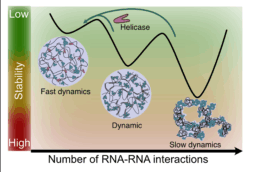
RNP granules, such as neuronal transport granules (NTGs) or stress-induced RNP granules (SGs), are condensates that play key roles in translation regulation. Their aberrant state is as-sociated with neurodegeneration and cancer. RNP granule assembly and the underlying regula-tory mechanisms are not understood. Our preliminary data show that the RNA-binding protein Ras GTPase-activating protein-binding protein 1 (G3BP1) interacts with unfolded RNA molecules to assemble RNP granules. RNA accumulation in granules leads to RNA-RNA interactions, inhibiting RNA mobility and translatability. The DEAD-box RNA helicase (DDX3X) localizes to RNP granules to attenuate RNA-RNA interactions, rendering the condensates dynamic and ena-bling mRNA translation. DDX3X disease variants cannot resolve RNA-RNA interactions causing RNA granule persistence. We suggest that RNP granules mediate inhibitory RNA-RNA interactions, which must be modulated by RNA helicases to regulate RNA availability and translatability.

Research questions
- How do RNP granules regulate RNA availability and translatability in physiology and disease?
- How do RNA helicases regulate RNA structure, dynamics, and organization within RNP granules?
Thesis Project Topic
Topic 1: RNA structures and dynamics in multi-component biomolecular condensates (Schlierf)
Topic 2: Revealing the functional role of RNA-protein condensates in regulating RNA availability (Alberti)
Training
The PhD students will be trained in smFRET and FCS and analysis, advanced imaging and analysis, protein biochemistry and RNP-like granule reconstitution.
Profile of Prospective Students
- Candidates have a Masters degree in physics, biology or related fields
- Candidates should have a sound basis in biochemistry, biophysics, enzymology, quantitative biology, or closely related fields.
- Experience in microscopy, in vitro reconstitution, and protein isolation methods are expected

Supervisors: Simon Alberti (left) and Michael Schlierf (right)
Organization of cytoplasm across space and time (Alberti)
Discipline: Biology
Affiliation: Biotec (TU-Dresden) | Physics of Life (TU Dresden)
Contact: Simon.Alberti (at) tu-dresden (dot) de
Conformational Dynamics in Biomolecules (Schlierf)
Discipline: Biophysics
Affiliation: B CUBE (TU Dresden) | Physics of Life (TU Dresden)
Contact: michael.schlierf (at) tu-dresden (dot) de
Explore other RTG Thesis Projects
Collaborations within the RTG
Click on the different project numbers (e.g. A1) to find out more about the theme of their ongoing collaborations and explore the project details
A2 - Biomolecular condensate regulation (Harmon)
See project details: https://dresdencondensates.org/projects/a2/
A4 - Theory and simulation of polymer-assisted condensates (Sommer)
See project details: https://dresdencondensates.org/projects/a4/
B2 - Characterizing the role of RNP granules in ALS (Sterneckert)
See project details: https://dresdencondensates.org/projects/b2/
A1 - Role of surface condensation for the assembly of cortical proteins (Honigmann)
See project details: https://dresdencondensates.org/projects/a1/
A3 - Spectroscopy and local interactions in condensates and organization of the cytoplasm (Adams)
See project details: https://dresdencondensates.org/projects/a3/
A5 - Capillary forces and the force response of condensates (Jahnel and Grill)
See project details: https://dresdencondensates.org/projects/a5/
B1 - Elucidating the mechanisms underlying mRNA translation regulation by condensation (biophysics and biochemistry) (Alberti and Schlierf)
See project details: https://dresdencondensates.org/projects/b1/
B3 - Sequence to function mapping of condensate proteomes (Toth-Petroczy)
See project details: https://dresdencondensates.org/projects/b3/
B4 - Role of condensates in biological time across mammals (Ebisuya and Hyman)
See project details: https://dresdencondensates.org/projects/b4/
B5 - Role of condensates in epigenetics (experiments and theory) (Brugués and Schiessel)
See Project Details: https://dresdencondensates.org/projects/b5/